The hidden cost of skipping a home survey
- Data compiled from Countrywide, HomeOwners Alliance, Direct Line.
Recent research has revealed a concerning trend in the UK housing market: fewer than one in ten home buyers commissioned a professional home survey when purchasing their property in early 2024.
According to Countrywide Surveying Services (CSS), only 9.7% of homebuyers instructed a RICS Level 2 or Level 3 Home Survey across England, Wales, and Northern Ireland during the first quarter of the year.
Of those who did, 61% opted for a Level 2 Home Survey, 33% chose a Level 2 with valuation, and just 6% commissioned a more detailed Level 3 Building Survey. Regionally, uptake was highest in the North West (around 15%) and lowest in the North East and East Anglia, where fewer than 7% of buyers arranged a survey.
Many buyers are leaving themselves exposed to hidden problems and costly repairs. Surveys are often seen as an “extra cost” rather than an essential safeguard, when in reality, the cost of a survey is often a fraction of what repairs might later demand.
Survivorship Bias?
Many homeowners fall into a kind of survivorship bias when it comes to surveys. The timing often feels unfair, by the time it’s due, buyers have already paid for searches, mortgage fees and deposits, so the survey can feel like just another expense.
If the report comes back clear, it’s easy to feel you’ve wasted your money. But that perception overlooks what surveys actually prevent.
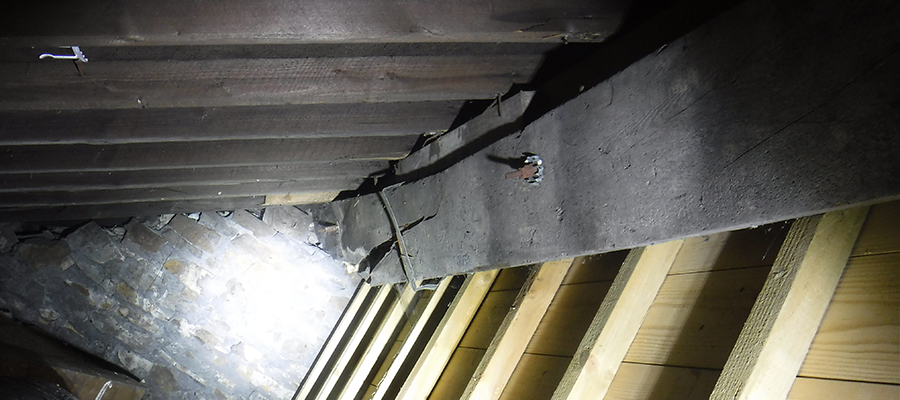
We’ve seen fractured purlins crudely propped up, unsupported chimney breasts, twisted chimney stacks, damp reaching metal back boxes on live sockets and collapsed drain chambers, each of which cost thousands to fix.
These are not rare, they’re the kind of hidden problems that turn into expensive or dangerous repairs if missed.
A good survey isn’t an added cost; it’s a layer of protection.
At Archwise, we see surveys not as an optional extra but as an essential safeguard for buyers. A thorough inspection gives you clarity, leverage, and peace of mind — helping you make informed decisions and avoid unpleasant surprises once you move in.
Why are more buyers are skipping surveys?
Cost of living pressures appear to be driving many buyers to skip surveys in an attempt to save money. However, evidence suggests this decision can prove far more expensive in the long run.
Direct Line Home Insurance found that 42% of surveys uncover issues with a property, and a quarter of those who didn’t commission one were later hit with unexpected repair bills averaging £3,676.
Nationwide, around 100,000 homes are estimated to have been sold without any form of survey in a single year. Structural issues, subsidence, electrical faults and roof defects are among the most common problems later discovered.
How surveys help buyers save money
Research by the HomeOwners Alliance shows that one in three buyers who commissioned a survey went on to save money. Of those, 10% successfully renegotiated the purchase price, 9% asked the seller to carry out repairs, and others used the report to budget for future maintenance. Only 4% of buyers said their survey led them to pull out of a purchase, highlighting that most surveys facilitate a smoother, more informed buying process.
HomeOwners Alliance Chief Executive commented: “Our research shows what a worthwhile investment having a house survey is. It helps buyers identify issues, renegotiate where necessary, and avoid unpleasant surprises when moving in.”
Estate agent data also supports this. On average, buyers who use survey findings to negotiate achieve discounts of around £5,744—proving that a survey can often pay for itself several times over.
Understanding what surveys offer

Many buyers still confuse a mortgage valuation with a condition survey. A valuation is designed for the lender’s purposes and often involves no physical inspection of the property. By contrast, a RICS Level 2 or Level 3 survey is conducted by an independent Chartered Surveyor who provides a detailed report on the building’s condition, potential defects, and repair needs.
Direct Line’s Dan Simson notes that “investing in a survey before purchasing a property can save a huge amount of money and hassle in the long run.” Surveys allow buyers to make informed decisions, plan repairs, or renegotiate based on professional findings.
What this means for buyers in 2025
With borrowing costs easing and more buyers returning to the market, 2025 presents a key opportunity to encourage better awareness of survey benefits. Roughly 42% of surveys uncover significant issues, yet most buyers who act on survey findings can either save money or improve their property before completion. By contrast, those who skip this step risk expensive repairs and structural surprises after moving in.
In short, a survey is not just a formality—it’s a vital step in protecting what is often a buyer’s largest financial investment.
Archwise advice for homebuyers
At Archwise Surveyors, we believe an independent home survey is an investment in peace of
mind. Whether you’re buying a modern flat or a Victorian terrace, commissioning the
right level of survey can:
- Identify hidden structural or maintenance issues before purchase
- Provide leverage for negotiation or repairs
- Help plan future maintenance and protect long-term value
Archwise provides RPSA-accredited Level 2 and Level 3 Home Surveys across Bristol, South Wales, and the South West. We deliver clear, practical reports that help you make confident, informed decisions before you buy.